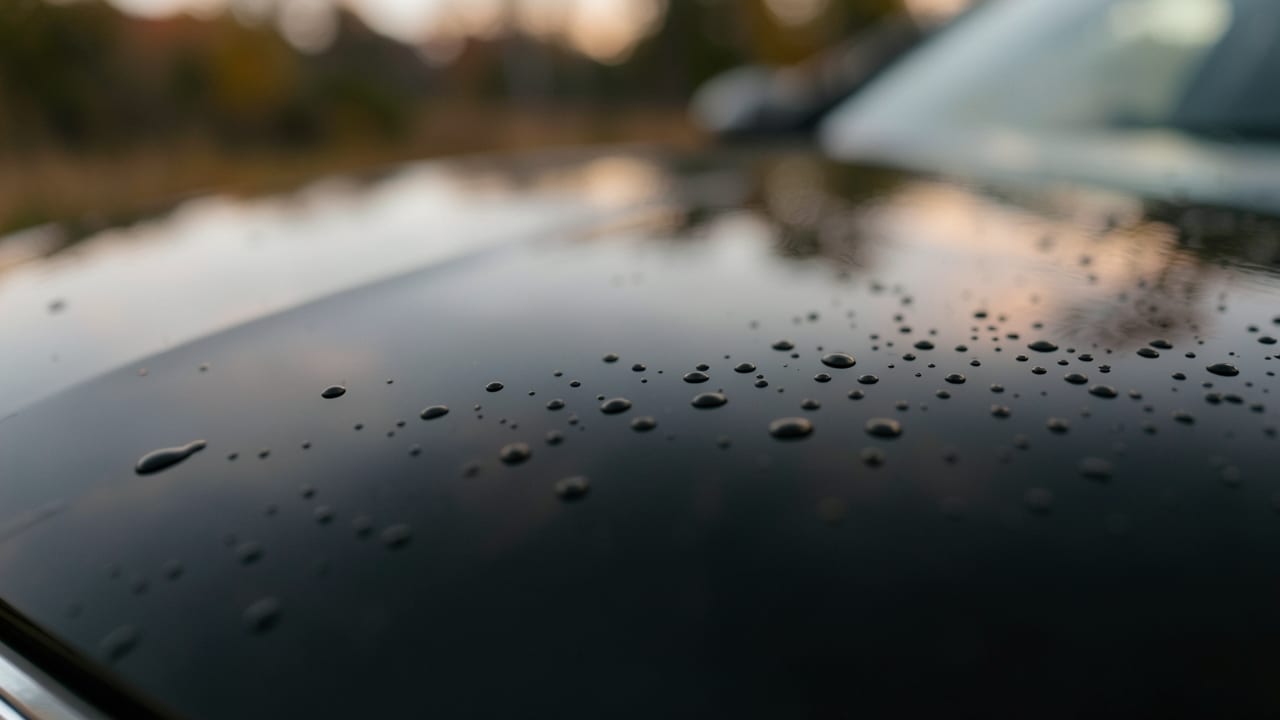
Pre-Winter Paint Sealant Application
Professional application of ceramic-based sealant to protect vehicle paint before winter.
Maitland, FL’s mild winters still bring road salt, rain, and debris that can dull or damage your vehicle’s paint over time. A pre-winter paint sealant application adds a ceramic-based layer to shield against corrosion and contaminants, helping your car’s finish stay sharper longer during the wetter months.
This service is tailored to protect vehicles in Maitland’s climate, where humidity and occasional winter showers can accelerate wear if left unchecked.
We also handle Ceramic Window Tint and Wheel & Brake Caliper Ceramic Coating for Maitland vehicles.
When to apply pre-winter sealant in Maitland
Maitland’s climate—warm winters with occasional rain and humidity—means road salt, tree sap, and industrial fallout can still degrade paint over time. The best time for a pre-winter sealant is late October to early November, before salt trucks become active or the first heavy rains arrive.
This timing helps lock in protection before contaminants have a chance to bond to the paint.
A fresh sealant is most effective when applied to a clean, decontaminated surface. If your paint already shows signs of fading—like water beading less sharply or requiring scrubbing to remove grime—a sealant can restore some of that self-cleaning slickness.
However, deep scratches or oxidation may need correction first for the sealant to bond properly.
Signs Your Vehicle Needs a Pre-Winter Sealant Refresh
- Water no longer beads into tight, rolling droplets but spreads wider or sheets across panels instead.
- Bug splatter, tree sap, or road grime now requires scrubbing to remove, rather than rinsing off easily.
- The paint reflects a slightly duller image under direct light, without any visible scratches.
- Running a clean, dry hand across the paint feels less slick than it used to, more like ordinary paint.
What affects pricing and protection length?
The cost of a pre-winter paint sealant application varies based on the vehicle’s size, the prep work required, and the type of ceramic coating chosen.
Larger vehicles or those needing extra decontamination (like heavy oxidation or embedded contaminants) may take longer to prep, while premium coatings with added layers or graphene may last longer but cost more upfront.
Protection length also depends on how well the surface is prepped and post-application care. A properly decontaminated and cured coating can last 2–5 years under ideal conditions, but skipping steps like iron removal or using harsh wash products can shorten that timeline.
Maitland’s humidity and occasional winter debris mean more frequent maintenance may be needed compared to drier climates.
| Factor | Typical Impact on Pricing/Protection |
|---|---|
| Vehicle Size | Larger vehicles (SUVs, trucks) require more product and labor time, increasing cost by $100–$300+. |
| Prep Work Needed | Heavy oxidation or embedded contaminants add $50–$200 for extra decontamination steps. |
| Coating Tier | Basic single-layer coatings cost $300–$800; premium multi-layer or graphene coatings range $1,000–$3,000+. |
| Post-Application Care | Using pH-neutral soaps and avoiding automatic brush washes extends protection by 1–3 years. |
Maitland-specific tips for longer-lasting protection
Maitland’s mix of humidity, occasional salt exposure, and tree pollen means your vehicle’s sealant faces unique challenges. Rinsing off road salt or de-icing chemicals promptly after winter driving prevents chemical etching, while sticking to a two-to-three-week wash interval keeps contaminants from bonding.
Avoiding automatic tunnel washes with spinning brushes also prevents fine scratches that can compromise the coating’s integrity over time.
A spray sealant or coating booster applied every 3–6 months refreshes the hydrophobic layer between full service intervals. This step is especially useful in Maitland’s climate, where rain and pollen can accelerate wear. Always use a pH-neutral wash soap—traditional car soaps strip the gloss and protective properties of the sealant.
Using high-alkaline or wax-stripping soaps on a sealed vehicle gradually breaks down the coating’s surface chemistry, causing water beading and gloss to fade months earlier than expected.
How pre-winter paint sealant application works
- 1Surface Decontamination
The vehicle is washed with a pH-neutral soap to remove loose dirt, followed by a clay bar treatment to lift embedded contaminants like rail dust or industrial fallout. Iron remover is applied to neutralize metal particles that can cause future spotting.
- 2Paint Correction (If Needed)
Any swirl marks, light scratches, or oxidation are addressed using fine polishing compounds. This step ensures the sealant bonds to a smooth, even surface rather than locking in imperfections.
- 3Ceramic Coating Application
The ceramic sealant is applied in thin, even layers, allowed to cure for 7–14 days (depending on the product). This curing period is critical—washing or exposing the vehicle to contaminants too soon can weaken the bond.
- 4Final Inspection and Care Guide
The vehicle is inspected for missed spots or uneven application. A maintenance guide is provided, covering wash methods, products to avoid, and signs the sealant may need refreshing.
- 5Post-Installation Tips
For the first 2–4 weeks, avoid automatic car washes, wax, or polish. Use microfiber towels for drying and a pH-neutral soap for washing to preserve the hydrophobic properties of the sealant.
Frequently asked questions
Will a paint sealant protect my car from rock chips or deep scratches?
No, ceramic coatings add surface hardness to resist light swirling and UV damage, but they do not stop rock chips, dents, or deep scratches. Think of it as an extra layer of armor against daily wear, not a replacement for impact protection.
How often should I reapply the sealant in Maitland’s climate?
Under ideal conditions, a well-maintained sealant lasts 2–5 years, but Maitland’s humidity and occasional contaminants may shorten that. A spray booster every 3–6 months helps refresh the protective layer without full reapplication.
Can I wash my car immediately after getting the sealant applied?
No, the coating requires a 7–14 day curing period. Washing too soon can disrupt the bond and reduce effectiveness. Follow the provided care guide for the first month to maximize durability.
Does the sealant work on wheels or interior surfaces too?
Standard paint sealants are applied to exterior body panels only. Wheels and interior surfaces require separate products designed for those surfaces, which are often sold as add-ons.
Where Maitland sits, and what the Census lists nearby
Maitland sits in Florida, and the closest places listed in the U.S. Census Gazetteer are Eatonville (1.6 miles southwest), Fern Park (2.1 miles northeast), Fairview Shores (2.5 miles southwest), Altamonte Springs (2.5 miles northwest). Within 25 miles of Maitland the same source lists 81 distinct incorporated places and census-designated places.
Those figures matter for pre-winter paint sealant application because they are straight-line distances between Census coordinate points: road mileage between Maitland and Eatonville runs longer than the 1.6 miles shown, which is why quotes for the same job differ between towns that look close together on a map.
Source: U.S. Census Bureau Gazetteer.
See University, FL for more, or see our full crew's Maitland services by category for our complete lineup.
Ready to get started?
Talk to a local ceramic coating pro in Maitland — get a written quote.
Other Ceramic Coating Services in Maitland

Ceramic Window Tint in Maitland, FL
Nano-ceramic window tint in Maitland, FL — rejects heat and blocks 99% of UV without the signal interference or fading of cheaper films.
Learn More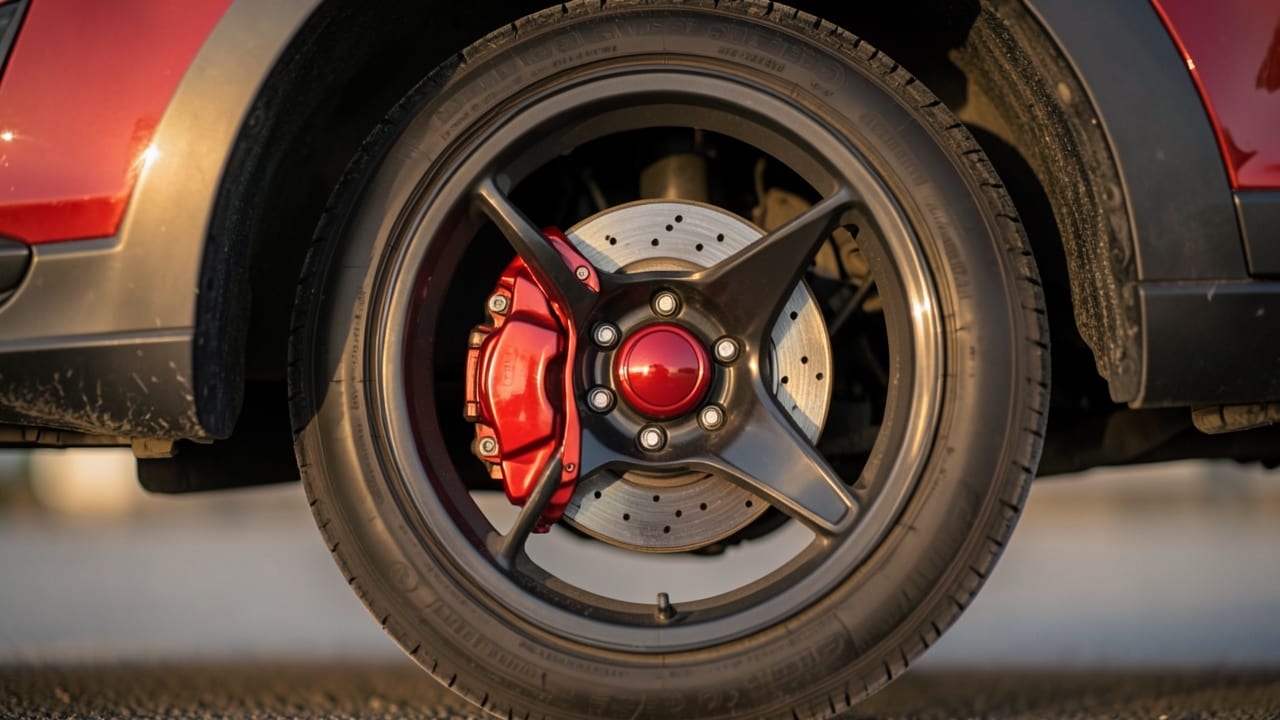
Wheel & Brake Caliper Ceramic Coating in Maitland, FL
Dedicated ceramic coating for wheels and brake calipers in Maitland, FL — stops brake dust and corrosive grime from bonding to the finish.
Learn More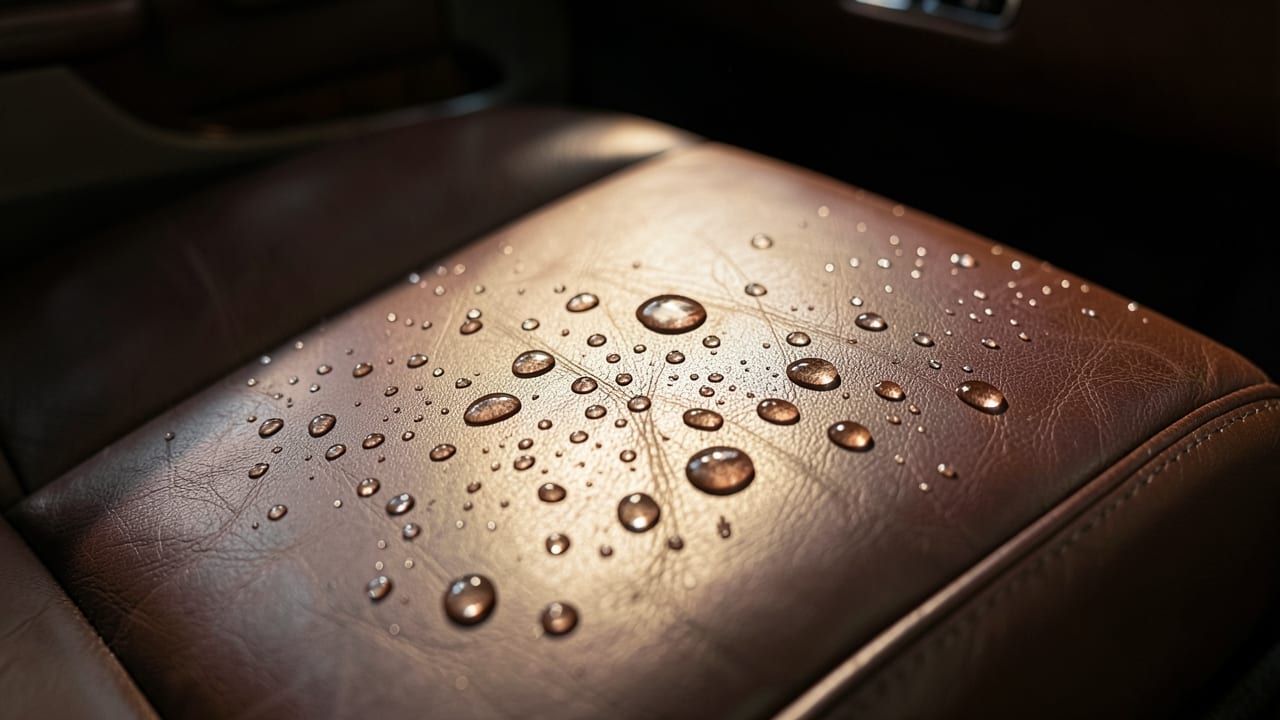
Interior Ceramic Protection in Maitland, FL
Interior fabric, leather, and trim ceramic protection in Maitland, FL — guards against spills, UV fading, and daily wear.
Learn More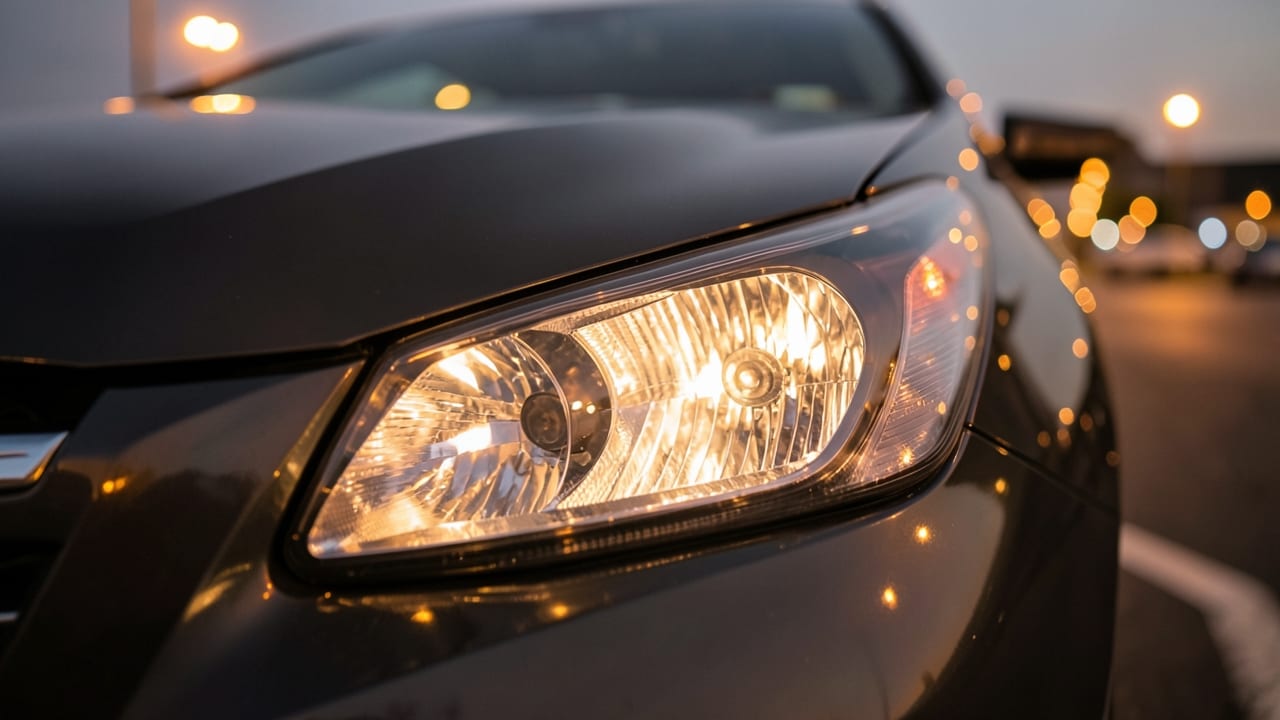
Headlight Restoration & Coating in Maitland, FL
Headlight restoration and UV-protective coating in Maitland, FL — restores clarity and nighttime visibility without replacing the assembly.
Learn More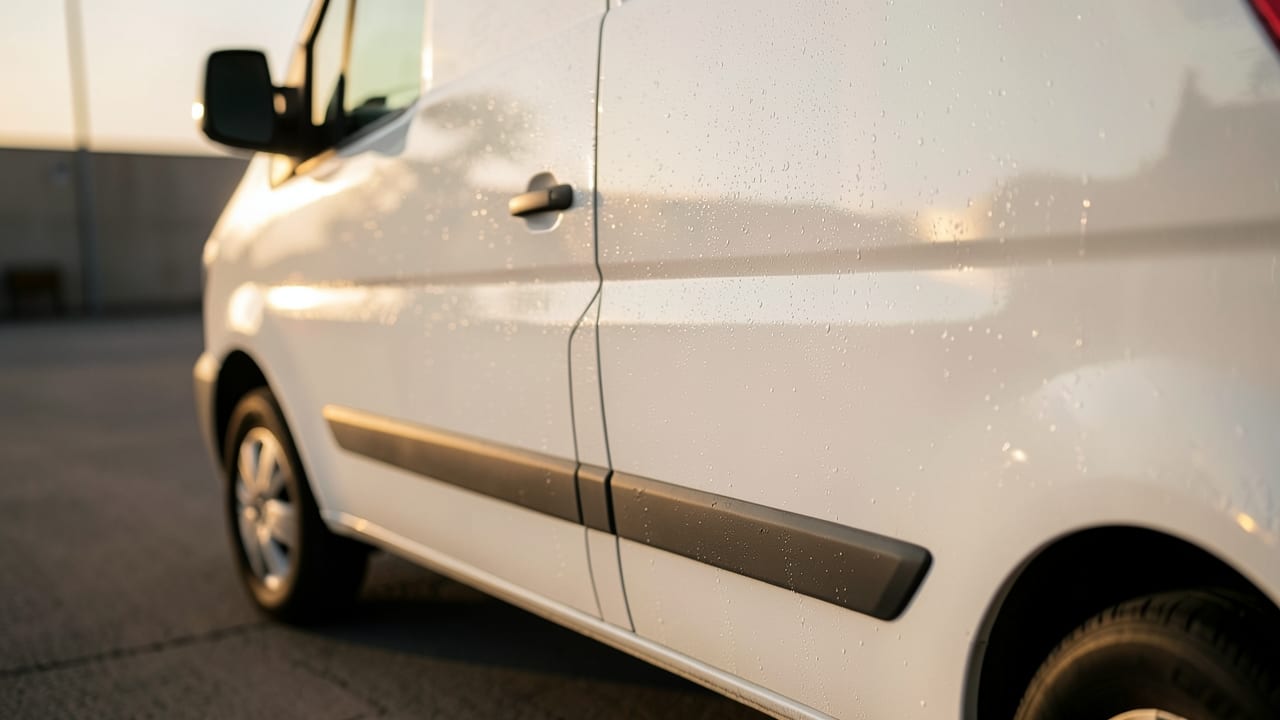
Fleet & Commercial Vehicle Coating in Maitland, FL
Ceramic coating programs for fleets and commercial vehicles in Maitland, FL — faster washing, longer-lasting branded wraps, and protected resale value.
Learn More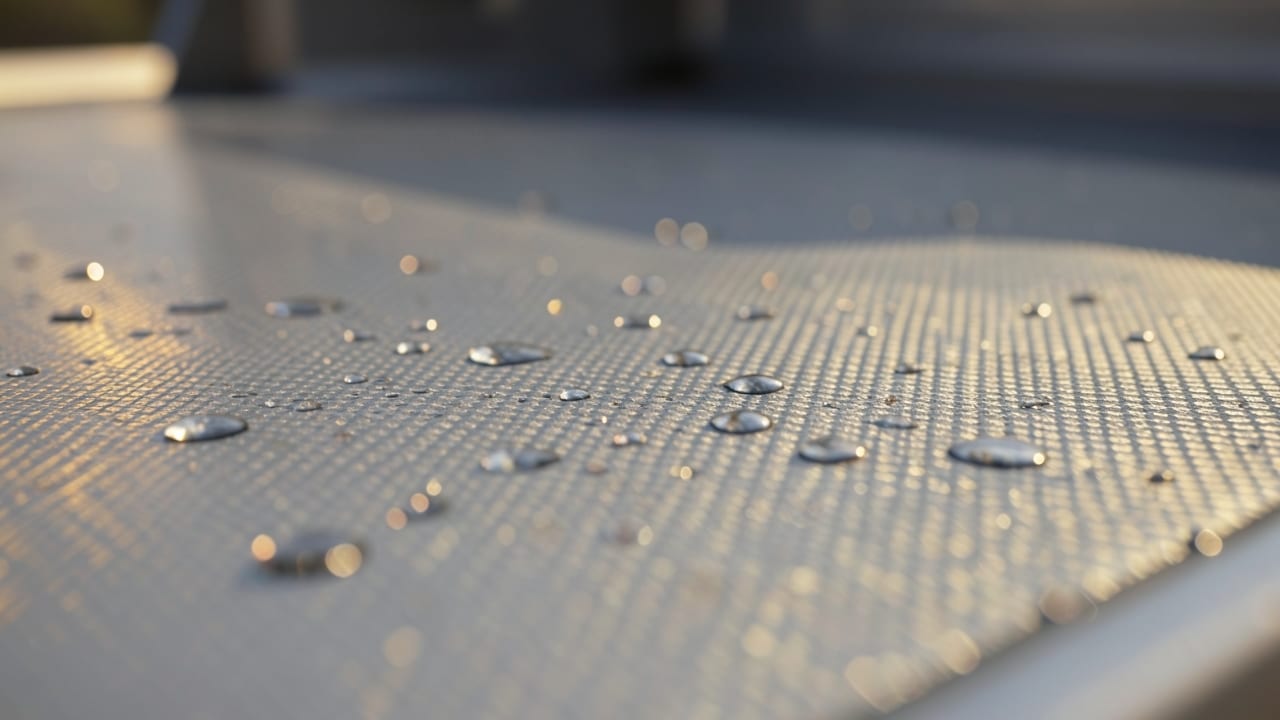
Graphene Coating in Maitland, FL
Graphene coating in Maitland, FL — a premium ceramic alternative with better heat rejection and hydrophobic durability.
Learn MoreCommon Questions About Ceramic Coating in Maitland
Everything you need to know about ceramic coating services in Maitland
How much does Pre-Winter Paint Sealant Application typically cost in Maitland, FL?
Does intense UV and dust in Maitland, FL change coating maintenance?
Will a ceramic coating stop rock chips or scratches?
What's the actual difference between wax, paint sealant, and ceramic coating?
Can ceramic coating be applied at home instead of by a detailing shop?
How long does a ceramic coating actually last in real-world use?
Need Ceramic Coating in Maitland?
Get a written quote from our Maitland crew.
⏰ We answer your call • Serving all of Maitland and surrounding areas